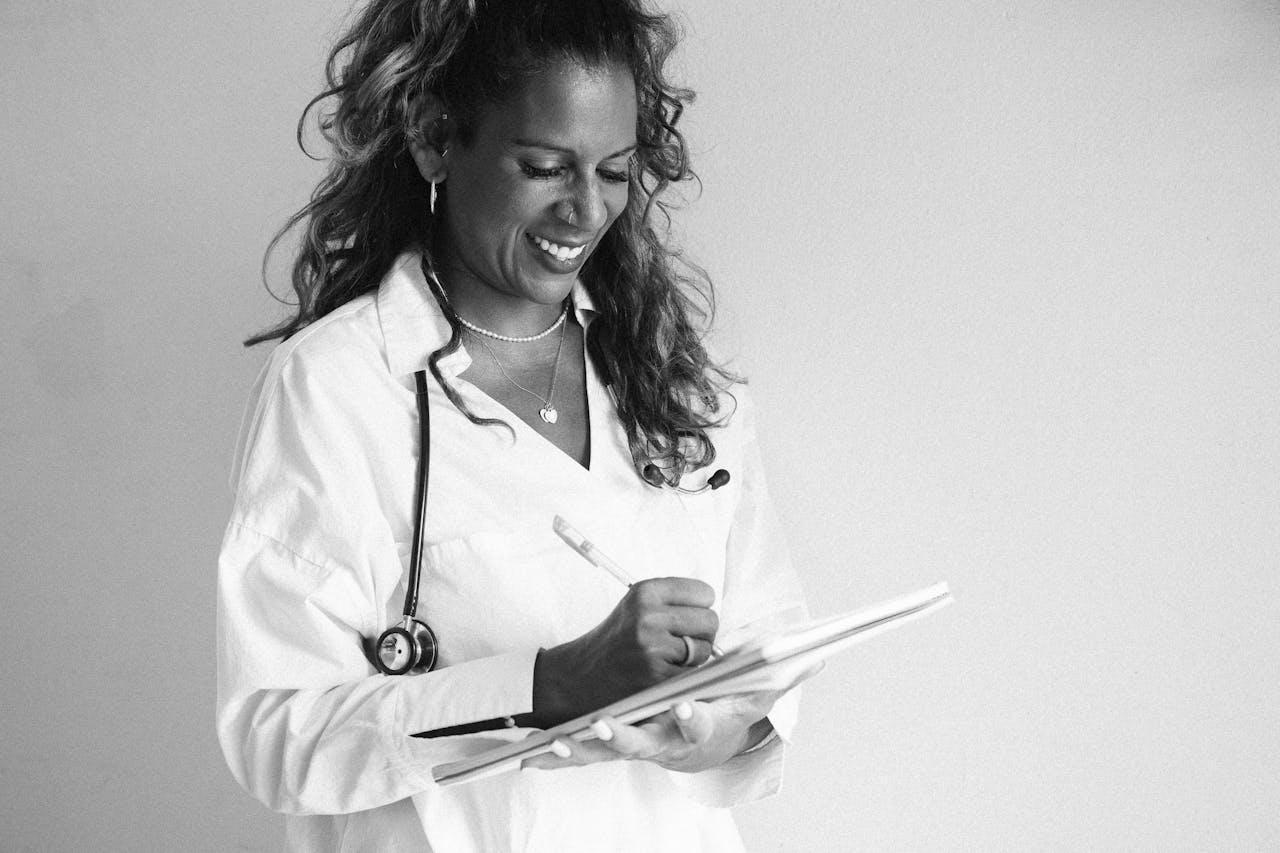
Healthcare providers are automating patient data and clinical recordkeeping to meet the increasing demands of a growing population in this digital age. People like artificial intelligence and voice recognition systems because they promise to be fast and useful. Even if there have been significant improvements, documentation still relies on the expertise of professionals.
It’s essential to have scribe jobs because medical discourses are complex and diverse. Automation systems can transcribe speech or provide templates, but they don’t always capture the entire picture because they lack comprehensive capabilities. Patients discuss their problems in various ways and occasionally reveal how they feel. Medical scribes may pick up on these small differences, which ensures that important clinical information is written down simply, accurately, and with compassion.
The Limits of Automated Documentation
AI-powered tools can assist with structure and input, but they may not perform well in unfamiliar or highly divergent languages. Casual conversations can tell an algorithm about a patient’s lifestyle or symptoms. Documentation involves arranging data in order of relevance, determining what is important, and refining your understanding of therapy narratives as they evolve. They can filter and frame data to provide the best therapy and compliance, as they possess real-world medical training.
Another problem is being responsible. It may be challenging to determine why automated systems fail, such as when they provide the wrong time or medication dose. Human scribes suggest changes in real time and ensure that charts accurately reflect what was said and intended, offering accountability.
It Is Necessary to Have Both Human Intelligence and Clinical Judgment
The paperwork that clinicians complete reflects their assessment of what is best for their patients. Even though robots can record, people can only grasp how a provider’s thought process leads to diagnostic or therapeutic activities. Scribes take this idea further. They might ask for more information, rewrite parts of the notes, and add extra material for later use. This makes documentation that is both therapeutically valuable and technically correct.
No program, however advanced, can replace a medical scribe. The greatest medical transcription firms know this. These firms assign scribes with varied skills to teach. This ensures scribes’ documentation skills meet increasing medical standards and provider expectations. This emphasis on understanding makes documentation more than an administrative duty; it’s essential to excellent therapy.
Communication and Teamwork Have Gotten Better
Well-written paperwork benefits the entire care team. These notes help future doctors, nurses, chemists, and lab technicians make quicker and more informed choices. Medical delays, duplication, and errors can occur due to poor communication or incomplete notes. Scribes mitigate these risks by ensuring that entries are precise, clear, and valuable, thereby enabling effective teamwork.
Healthcare workers can spend more time making care plans with patients and coworkers if they have a professional scribe. This change makes patients happier and enables hospitals to work together more effectively. The quality of the first paperwork influences the work of everyone, from front-desk staff to specialists.
The Future of Medical Care Documentation
Medical scribes will evolve as technology improves, not disappear. Scribes already write things down and take part in telehealth sessions. These individuals are crucial since they can adapt to various types of clinical materials and communication styles across different platforms. Hybrid care models, which use human and technological resources, demonstrate the importance of having trained personnel in charge.
Leave a Reply